

























How did you first get into film?
Mr Dolan’s stepfather, Maurice Levy, was a filmmaker! He was a soldier during World War Two, who was a cameraman and chief of the NBC station in the South. He filmed the 1961 Montgomery Freedom Rides and recorded Civil Rights activists, 1957 Dallas Tornado footage, and much more. He exposed Mr. Dolan to the world of cameras:
“He ran around making these short films for what used to be called UPI, United Press International. He gave me a little 8 millimeter camera when I was probably 8 and I started making movies.”
One time, Mr. Dolan recalls that they were in North Dakota because Levy was making a movie about ice fishing, which involves building these big holes and pulling nets around. When Mr. Dolan was backing up filming on the set, he even fell in one of the holes. He simply said: “It was scary.”
In addition, Mr. Dolan’s mom was a still photographer with different filmmakers, so he was on set a lot growing up. Another one of his mom’s boyfriends was a well-known cinematographer, so he got to be on the sets of some pretty big movies!
Around 16, Mr. Dolan started acting professionally in commercials and other things. Around then, too, he and his mom moved to Toronto, where he enjoyed watching many many movies — especially during the Paramount’s summer series! “It was a great film education,” he said. In Toronto, there were 5 theaters with double features every night that were curated very smartly, where he saw East of Eden, Rebel without a Cause, European films, and many other interesting movies!
First film you made?
Mr. Dolan made his first film when he was eleven, and it was called The Summer of 76 (a remake of The Summer of 42). It was about a young guy that’s in love with an older woman, and he’s trying to bring her flowers and stuff: “It was really silly.”
Mr. Dolan used Super 8 film, which he said was challenging to edit because it’s really thin, similar to see-through tape, and he had to slice it while trying to hold it together. “It’s a disaster.” Yet he still has all his footage from it!
Top 3 films of all time?
“I think it’s interesting if you could watch a slow film, like an old black and white film and let yourself just exist in those 2 hours and not need a dopamine hit or something because they’re not really going to come.”
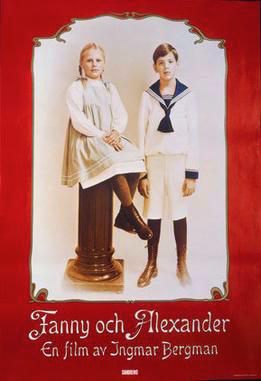
1 – Fanny and Alexander
Director Ingmar Bergman made many heavy, deep films, and this one was no exception. Mr. Dolan described this film as one of Bergman’s most personal. “It’s really, really long, but it’s really beautiful.”
Mr. Dolan says it’s about these kids with a very theatrical, fun family. Their parents are both actors, and initially there’s an incredible Christmas party full of joy. Then, the father dies, and the mother marries a strict priest. The kids’ world becomes much stricter and more bleak — until their family friends kidnap them, and the movie spirals into adventure.
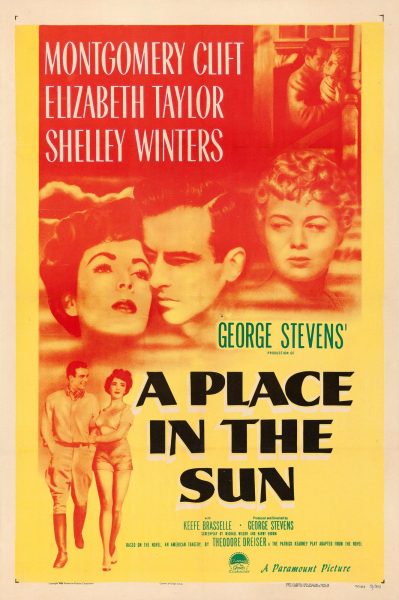
2 – A Place in the Sun
In terms of American films, Mr. Dolan recommends the movie with star-studded Montgomery Cliff and Elizabeth Taylor.
“I think it’s really interesting about America and the fantasy of wealth and beauty.”
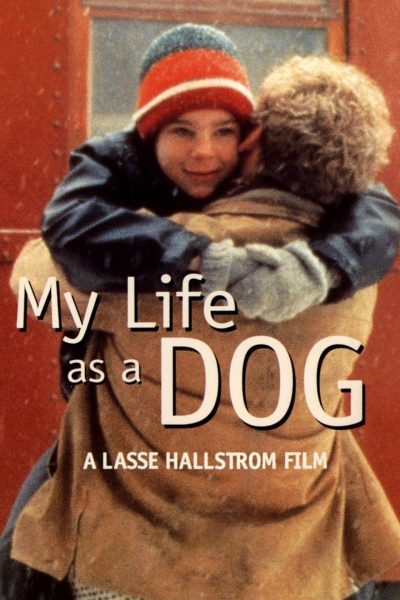
3 – My Life as a Dog
Mr. Dolan’s third recommendation is an emotional Swedish film about a kid whose mother is ill. He related to its coming-of-age arc, saying it’s just really beautiful.
Favorite film you’ve worked on as a filmmaker?
“So Sidney Lumet, the great filmmaker, has this book, right? It’s called Making Movies. And in it he says, if you get a chance to direct a feature, take it no matter what. So I did get a chance to direct a feature and it was fantastic.”
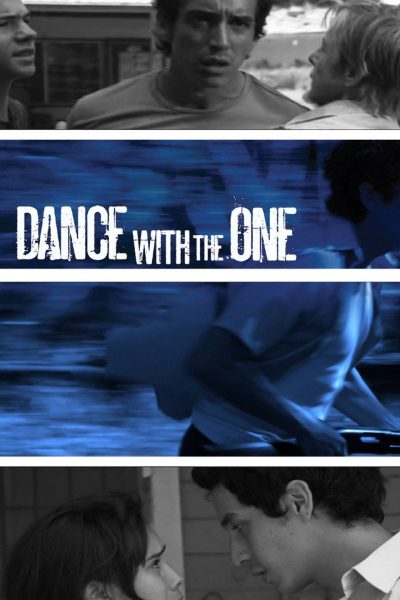
Nevertheless, Mr. Dolan says it was really hard — he didn’t write the script, and the producers had a strong vision for the film, so it was a challenge. But fun!
The feature film is called Dance with the One. Mr. Dolan said one of his jobs was to make actor Gabriel Luna, who goes on later in his career to act in Terminator and other films, shine and to truly tell his story.
The movie is about a boy whose father was an old drug dealer in Austin, who’s broken down. The boy then assumes the role of house-hold leader, and he deals weed to take care of his brother, but what he really wants is to leave town with his girlfriend. However, along the way, he takes on a bigger drug deal, where everything goes wrong, and he’s trying to fix the situation throughout the movie’s duration.
As an actor?
When Mr. Dolan was 21, he acted in Biloxi Blues. He said he had a great part, and the director was Mike Nichols, one of the great filmmakers of all time, known for The Graduate and others.
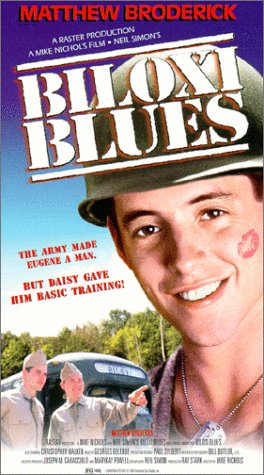
“He was just a complete joy and delight to work with. Matthew Broderick’s in it, Christopher Watkins is in it. It was just super fun.”
They shot the film in Fort Smith, Arkansas, at a place called Fort Chaffee: “We had the run of this massive army base because it was shut down. We were shooting it there because [in the film] we’re training to go off in the Second World War. People would come visit us and we could go to the obstacle races.” Mr. Dolan also really liked Arkansas, especially the people and extras from the University of Arkansas.
Mr. Dolan said, too, that the director would fly down a 35 millimeter print of a film to show to them every Friday night. He showed Mr. Dolan films he had never seen like Gilda, Jules and Jim, and many others.
Favorite dynamic on set?
Mr. Dolan thinks the key, especially for young actors, is that everyone has enough to do. In Bolaxi Blues, for example, everybody had something to do, so they felt like they were contributing. “It’s like if you’re running a good basketball team or soccer team. They have a rotation, and everybody knows their role, and everyone gets a chance. No one is left out in the cold.”
A Vietnam film he worked on called Hamburger Hill was the opposite — there wasn’t enough to go around, yet everyone was always on set. The crew would be picked up at 4:30 in the morning, and they wouldn’t get home until 10 at night. Mr. Dolan thinks the key is to have a script and then schedule, so everybody has something significant to do.
Thoughts on how audience’s responses to film have evolved to today?
Mr. Dolan thinks it’s positive how people in Austin enjoy going to Paramount and Austin Film Society, especially during the summer. Nevertheless, he thinks most of the movies we go to are spectacles, which prioritize large-scale action and visuals over a deep narrative.
“The vast majority of cinema goers are going to spectacle movies based on, you know, comics, comic IP, right? And that’s not really cinema to me. It’s nothing that nourishes my soul — it’s nothing artistic. I mean, I appreciate it. I get it.”
A good example of people going to the movies recently, Mr. Dolan says, is The Odyssey, where director Christopher Nolan takes on the wonderful epic. Everyone’s having discussions about it, and people are running to go see it.
Mr Dolan does, though, think that phones have caused the attention span of the average moviegoer to really curtail. However, he thinks that’ll change: “I think we’ll have a backlash where people start putting down their phones and wondering, what am I actually getting from this phone?”
Thoughts on The Odyssey?
While Mr. Dolan felt indignant about certain choices Nolan made, in general he was enchanted by the movie and thought the filmmaking was incredible.
“I’ve always loved Matt Damon, and I thought, you know, the emotional impact that it builds to was very powerful. It was interesting that he made it about the trauma of Troy. You know, I didn’t see that coming.”
One of Mr. Dolan’s friends, a professor of political philosophy, knows the ancient Greeks really well, and they had a discussion about how the Greeks didn’t think as much in terms of whether their actions were good or bad. Instead, that was Christopher Nolan’s sentiments.
“It’s a little bit corrective to Oppenheimer. Troy is the atomic bomb.”
Other recent films you liked?
One Battle After Another & Sinners –
Mr. Dolan thought One Battle After Another was amazing. While Leonardo Dicaprio’s acting can be a bit hit-or-miss for him, Mr. Dolan thought his acting in this film was one of his best performances. Moreover, he says that Benicio Del Toro’s acting is hilarious.
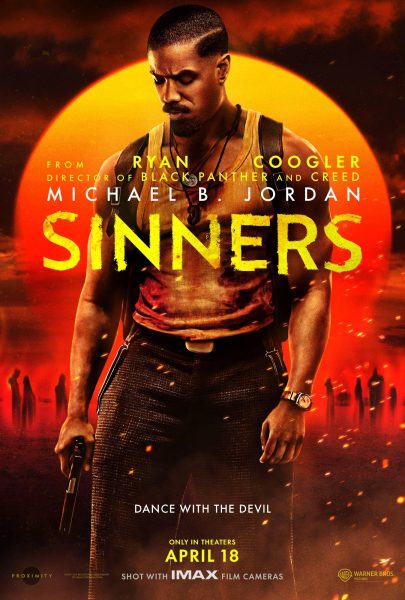
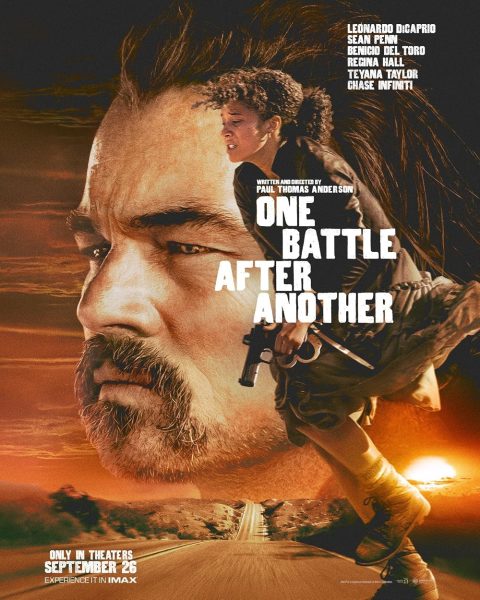
“Paul Thomas Anderson is a sensational filmmaker. I’m so happy I’m alive while he is, so I can see his movies. And that film has a story I’m just really into.”
Mr. Dolan also loves Sinners, and he is excited for Taika Waititi’s film adaptation of the award-winning novel James.
What is it like teaching film?
Mr. Dolan says he works to get his students so they can write stories well and are technically proficient enough to then execute whatever they envision.
According to Mr. Dolan, one way to pay attention to visual storytelling — pushing the narrative through images rather than dialogue — is by simply turning off the volume of whatever is on and just watching. Then, pay attention to what you see.
He also says you can look at how filmmakers introduce characters because their decisions are usually meant to “enhance your appreciation, your understanding of who this person is by using the set and sound and different things to get you into the person and their environment. Therefore, too, the environment says a lot about them. Pay attention to the introduction of characters, spaces, and stories.”