























Why movies?
After watching many films throughout her life, Dr. Clark feels that they help us develop an “ever-expanding perspective,” where “you can contextualize movies within all the movies you’ve seen or the experiences you’ve had.”
Dr. Clark also loves when in a movie “you can see the seams, like in clothing: you can tell that it’s a set or that it’s on a sound stage…It’s more like theater in that way, where you know that you’re watching a play, but you still get wrapped up in it.”
What types of movies?
Dr. Clark loves all kinds, from thrillers to sad, period pieces! She also particularly enjoys procedural movies, such as crime or spy stories.
3 older movies you recommend?
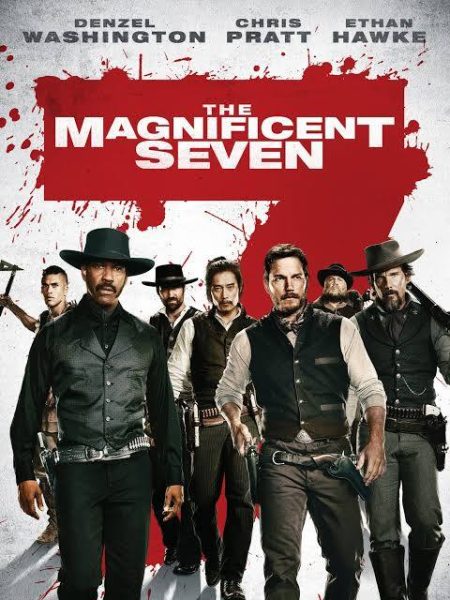
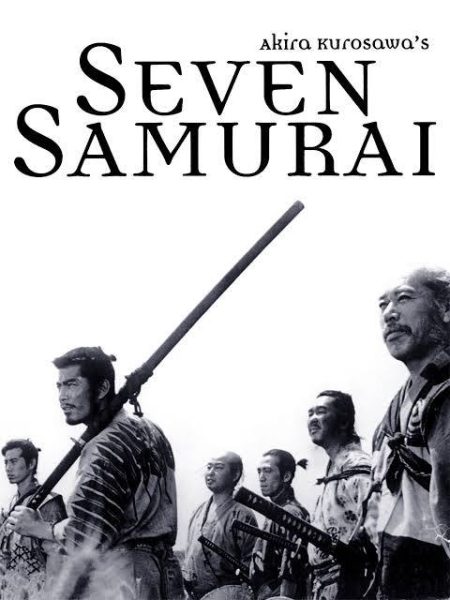
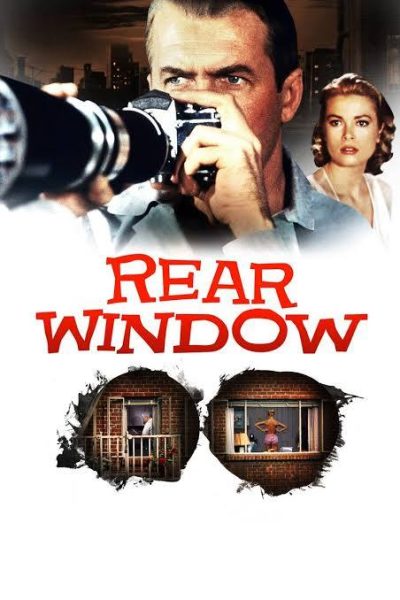
Seven Samurai, The Magnificent Seven, and Rear Window are all in Dr. Clark’s top movies list in Letterboxd.
Indeed, she loves the origins of many Western and Samurai movies, which relate to Seven Against Thebes, an early ancient Greek tragedy first performed around 450 BCE.
“There’s a lot of dialogue between Western and Samurai movies that happened over a long span of time. It’s this trope that gets reused…any time seven people have to band together to defend a place.”
As for Rear Window, James Stewart’s character, who spends much of his time watching his neighbors until one day he suspects a murder has occurred, and his continuous watch at his home’s window particularly fascinates Dr. Clark.
Any favorites of the newer movies?
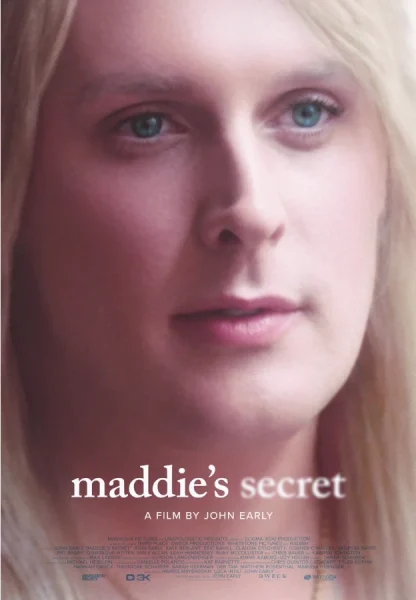
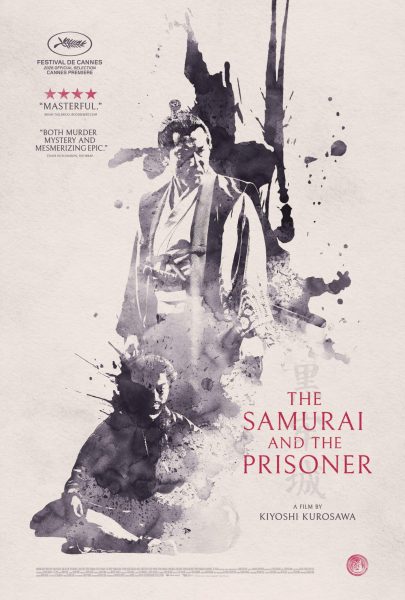
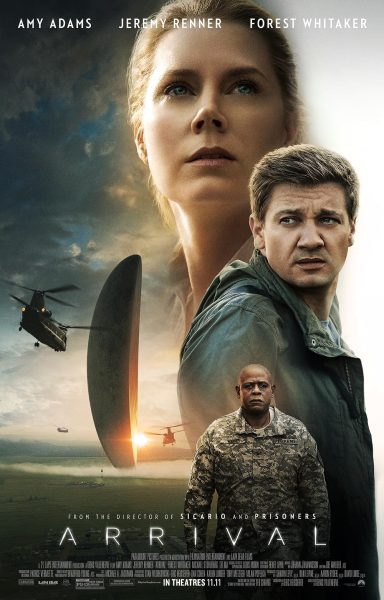
Tinker Tailor Soldier Spy, The Samurai and The Prisoner, Arrival, and Maddie’s Secret are among the movies recently that have caught Dr. Clark’s eye!
The former is a 2011 adaptation done by Tomas Alfred
son of one of her favorite books, written by John Licaray. She appreciates the bookand film versions equally. The mystery within the narrative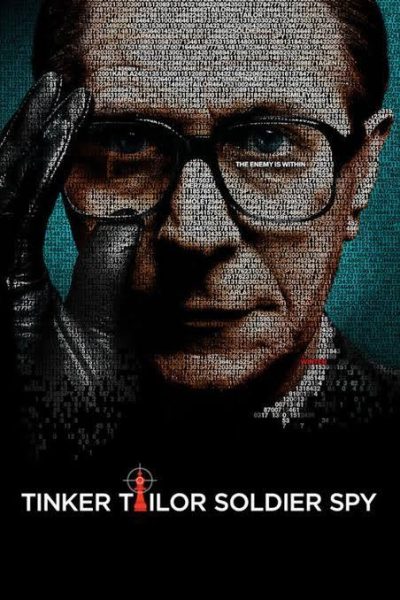 and information gathering is particularly interesting,
according to Dr. Clark, who thinks it’s somewhat of a “meditation on aging” and the attitudes of the people toward the war.
Dr. Clark has also enjoyed the 2016 sci-fi thriller Arrival, and more recently, murder-mystery The Samurai and The Prisoner at Austin Film Society.
However, Dr. Clark hasn’t been into as many action movies as of late because they’ve become more “rote and about the spectacle of it all,” which, while she can appreciate that to some degree, she feels they can get to be a little too much.
Overall Thoughts on Christopher Nolan’s The Odyssey?
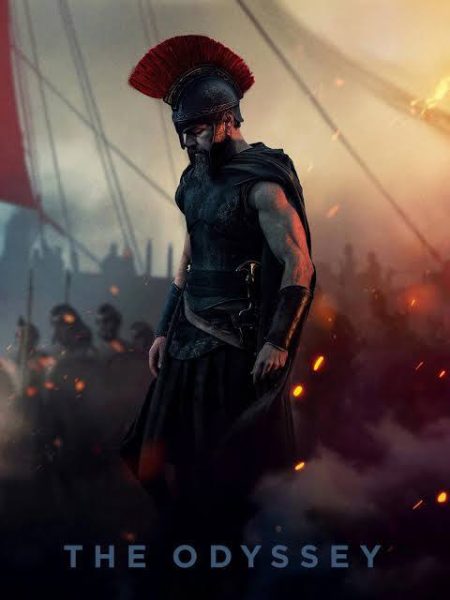
Dr. Clark loved The Odyssey, which she saw 4 times on different formats: IMAX, IMAX 70 millimenter, and regular 35 millimeter and 70 millimeter.
“Movies on film are just better.”
In an adaptation sense, Nolan is “making his own movie that happens to be an adaptation of The Odyssey. And so I think he was doing really interesting things, bringing a version of that story out that spoke to him and his kind of abiding interests in time and memory and what makes somebody a hero or a good person.
“I think a lot of people went into it thinking it was going to be one thing and then it turned out to be like this reflection on war and violence and trauma and reconciling the terrible things that you’ve done in your life.”
Dr. Clark also thought he brought in some really interesting elements of other ancient genres, such as his use of some ideas from Greek tragedy. Indeed, he introduced the character of Sinon, who’s a character from the Epic Aeneid, which partly tells the story of the fall of Troy from Aeneas’s perspective. Sinon tricks the Trojans into bringing the Trojan horse into their city.
“Using that character as one of the moral centers of the movie was really interesting. I think people would have reacted more strongly to an existing character having that perspective.”
Additionally, Dr. Clark was impressed by the performances, especially John Leguizamo’s (actor for Eumaeus, Odysseus’s loyal swineherd, servant, and friend).
“I mean, it was an Epic adaptation of an Epic poem, right?”
In Epic poems, she said, “we talk about being epic on the scale of like the importance of what’s going on or who’s involved.” The Iliad is an Epic poem covering a short time period because it’s a large turning point in the Trojan War, involving many gods and heroes, while the Odyssey is epic in scale.
“The epic scale of the production, filming on location and in all these different places, using this medium that’s supposed to be the biggest, best way to film something, and the size of the cast… was bringing that idea of Epic poetry translated into twenty-first century media.”
Odyssey Critiques and Observations?
With regards to classicist Emily Wilson’s critique “An Uncomplicated Man” on the film, who thought the film glazed over important parts of the book and instead opted for a spectacle, Dr. Clark felt like she had possibly gone in with too specific an idea of what she wanted the movie to do, which hindered her opinion of it. She did, however, find some other interesting takes or criticisms of the film.
For example, some wish the female characters were given more attention — scenes like with Circe and Calypso she thought were fantastic, but could also see how someone could think they were too short episodes of the female interactions in the epic. Moreover, many of Odysseus’s affairs with other goddesses and women were minimized.
Dr. Clark thinks one of the more interesting diversions of the film was the Cyclops scene. 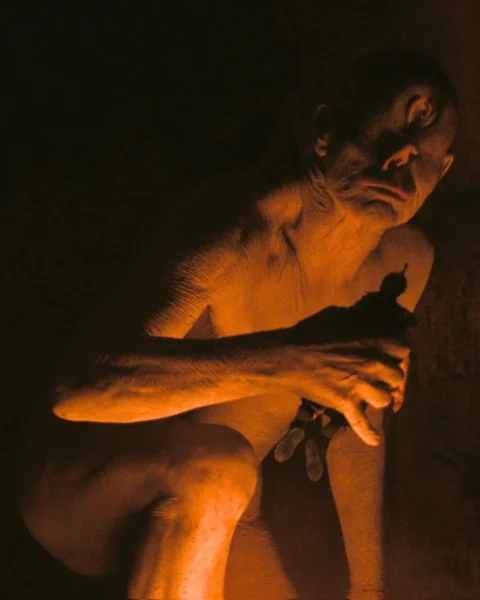
When Odysseus famously ends up tricking the Cyclops, he taunts him and in result gets the wrath of Poseidon; the film, however, omits this. Furthermore, other film critics noted how gods and goddesses were less visible to us as in the Epic poem.
Dr. Clark thinks “he was very much more focused on how those gods and goddesses would have been perceived by the characters in the story…they didn’t necessarily know that the gods and goddesses were driving the plot.”
“There’s the line that Odysseus says a few times: why don’t the gods speak to us in ways that we can understand?”
In Greek mythology and tragedy, Dr. Clark says there’s this idea that the gods are whatever they are the god of in their truest form. Zeus is a lightning bolt in his truest form, et cetera.
On her fourth watch, Dr. Clark marked all the times there’s thunder and realized that all of the thunder happens at times we can interpret it as Zeus either endorsing or being active in the story.
And if you do that, there’s no insignificant thunder in the movie. All of the thunder happens at times where we can interpret that as Zeus, either endorsing or like being active in the story.
Indeed, Dr. Clarks feels that, while gods are less present in the film in terms of competing with each other and having a clear agenda, that doesn’t mean they weren’t present: it simply emphasizes how Odysseus could not know the gods’ motivations or desires.